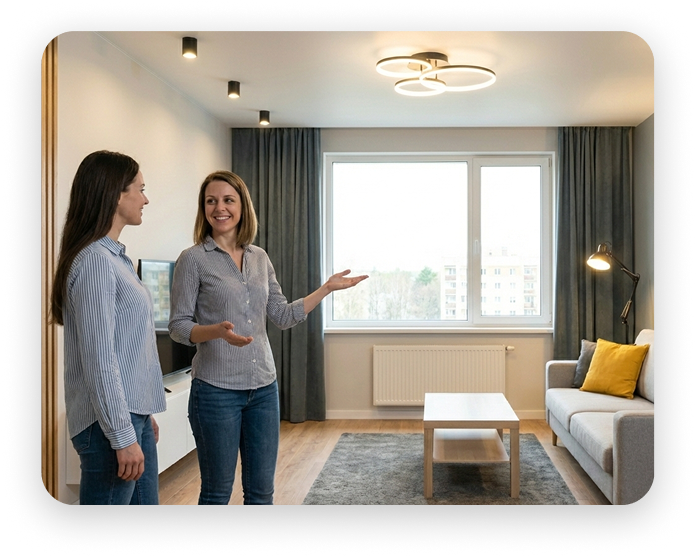
Integrating AI analysis seamlessly without slowing down the app

LightSense — AI-Powered Interior Lighting Analysis
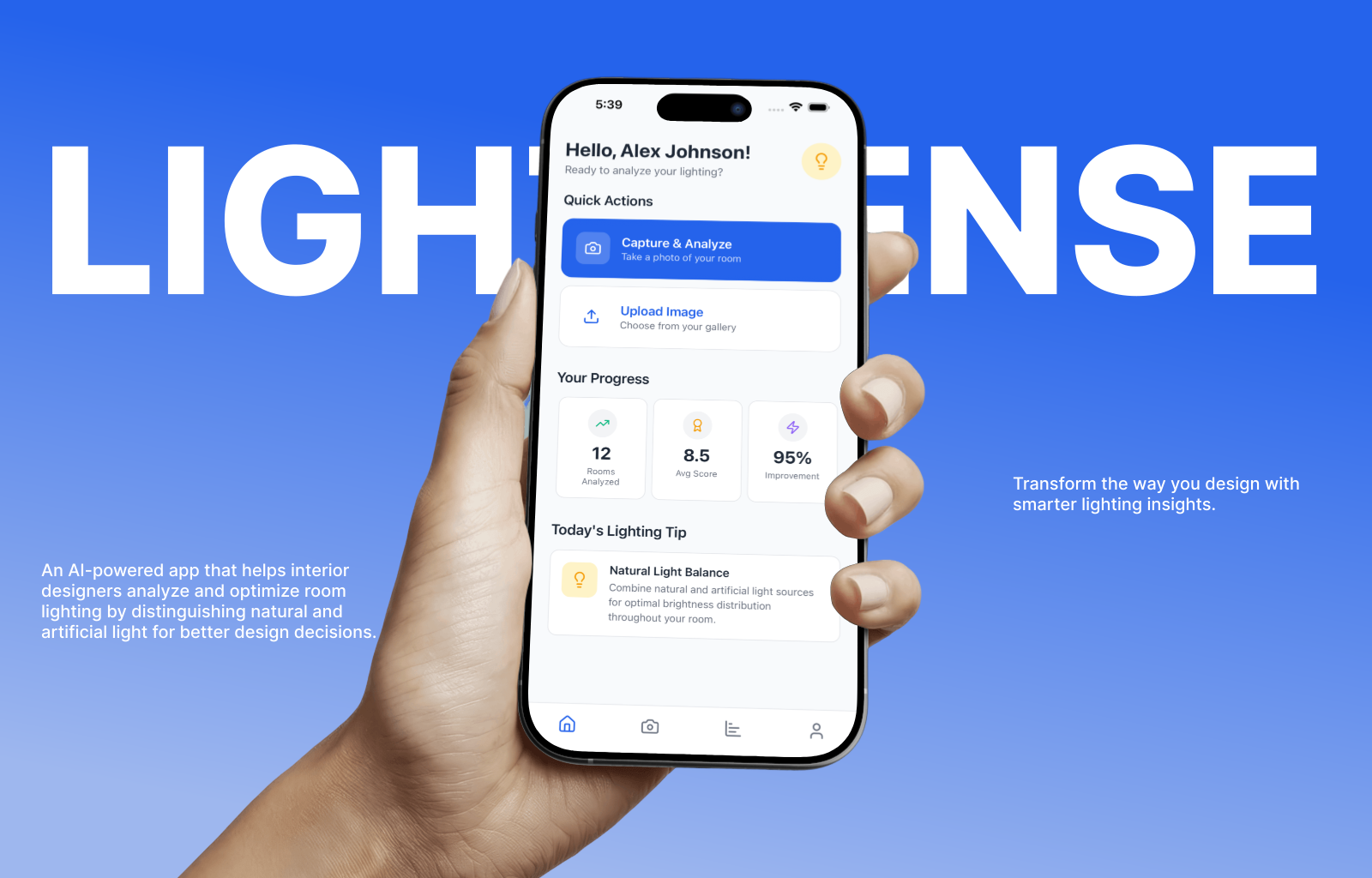
LightSense
About LightSense
AI-Powered LightSense for Interior Spaces
LightSense empowers designers with precise, actionable lighting insights to create stunning, functional, and energy-efficient spaces.
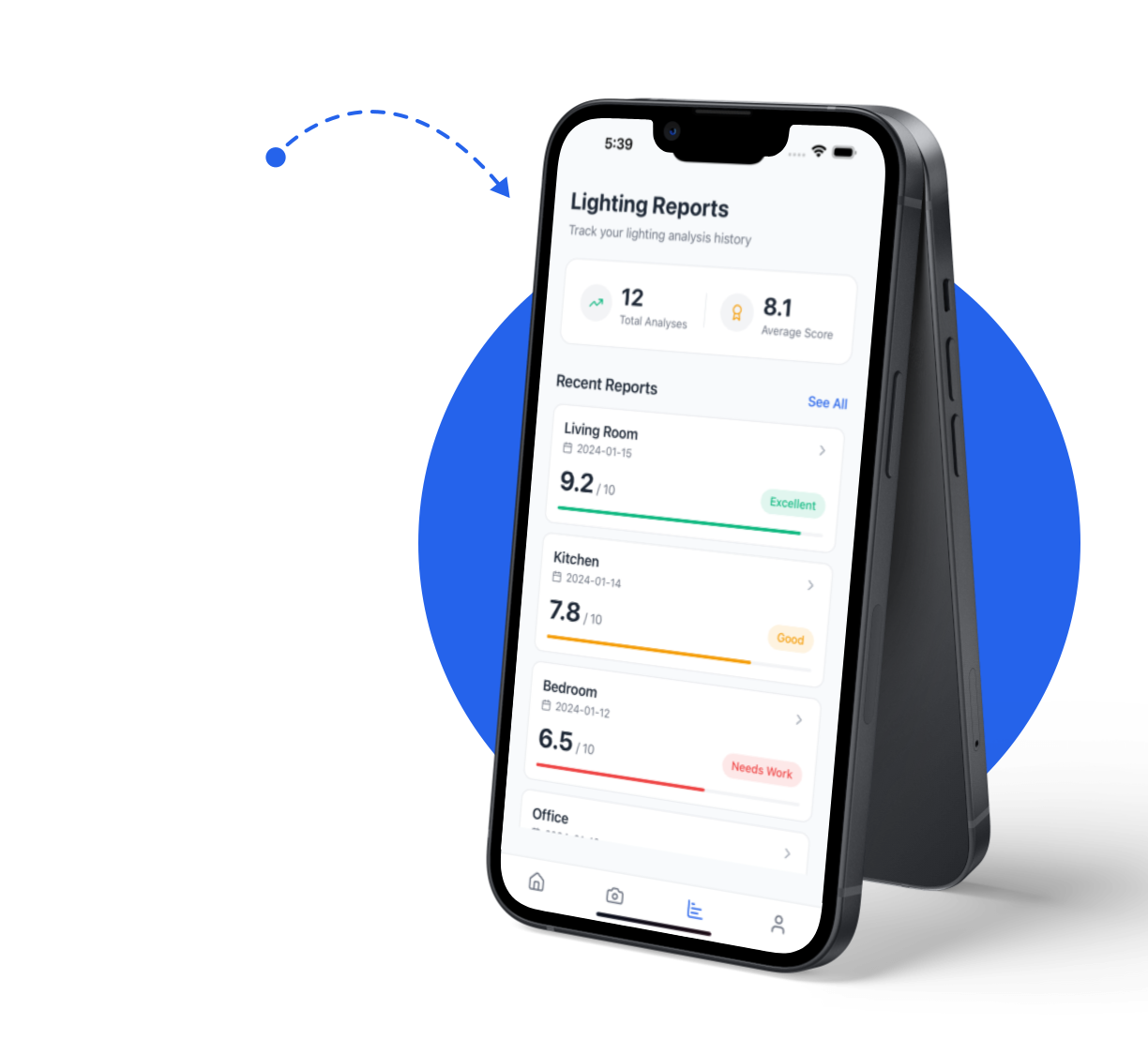
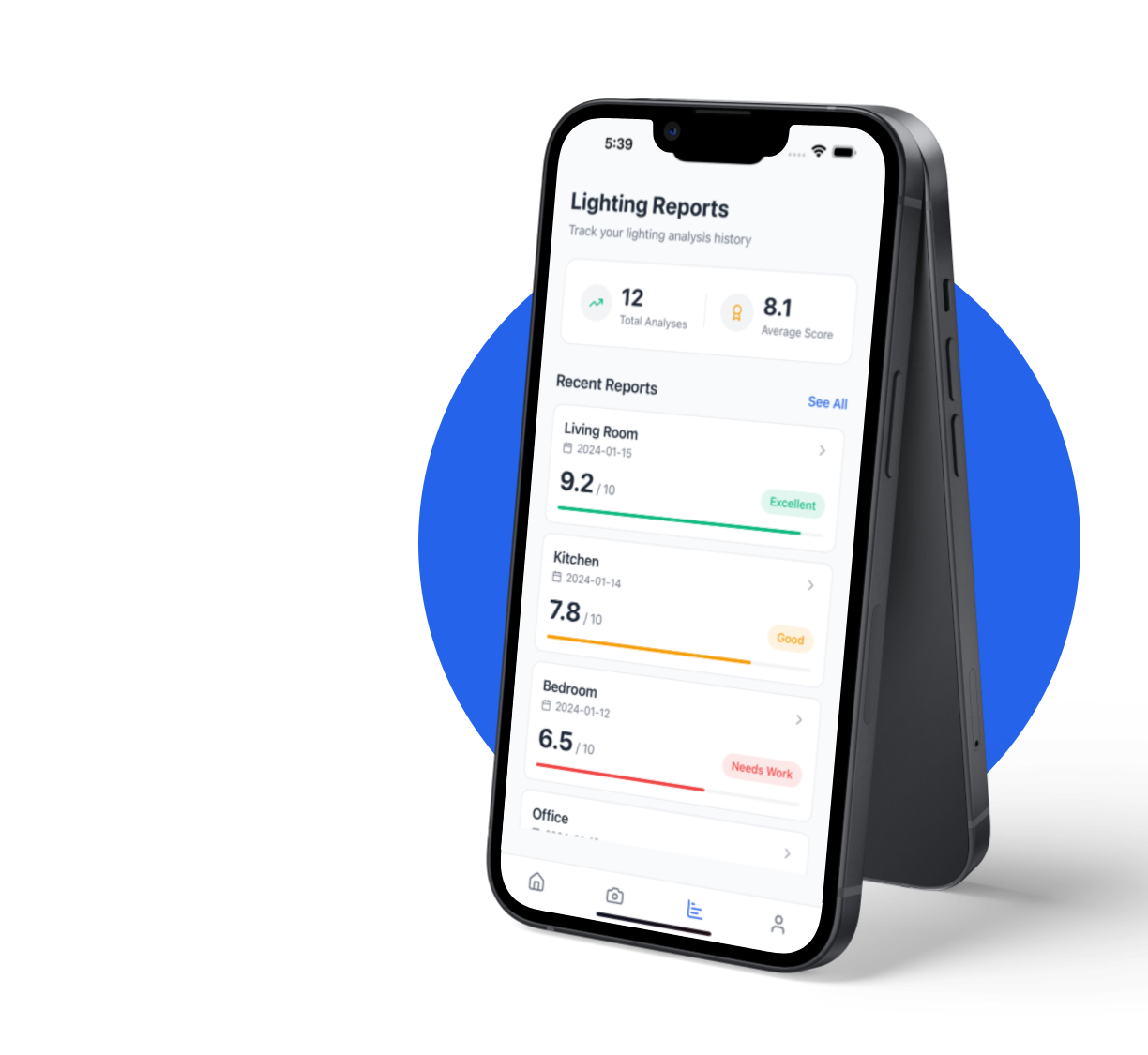
LightSense is a mobile app that analyzes room images to distinguish natural and artificial light, helping designers make faster, more confident lighting decisions.
ProjectLightSense
Timeline6 Weeks
IndustryAI-Powered Design
LightSense
Problem
Lighting Assessment: A
Persistent Challenge
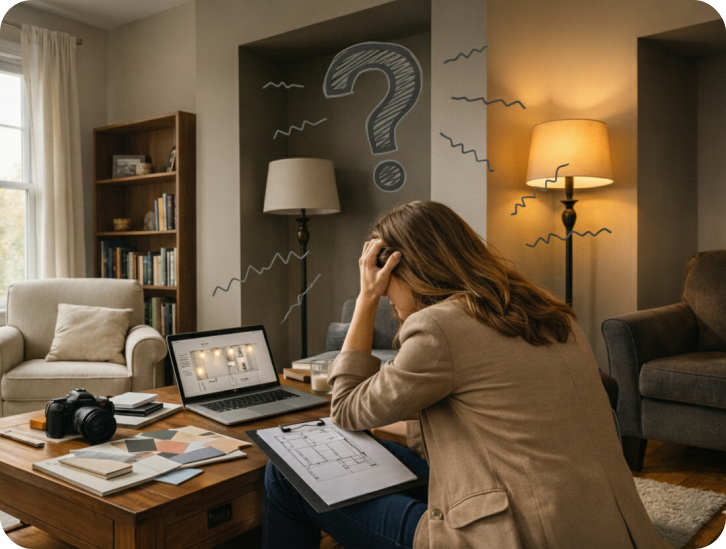
Ambiance Uncertain
Designers struggle to gauge how different lighting conditions will influence the mood and feel of a space, making it difficult to create the desired atmosphere.
Natural vs Artificial Light Dilemma
The combination of natural sunlight and artificial lighting often overlaps in unpredictable ways, complicating efforts to accurately assess how a room will look at different times of the day.
Design Usability Challenges
Without precise lighting insights, it's challenging to plan a space that is both visually appealing and practical, potentially affecting usability, comfort, and overall client satisfaction.
LightSense
Problem
Smarter Design with LightSense
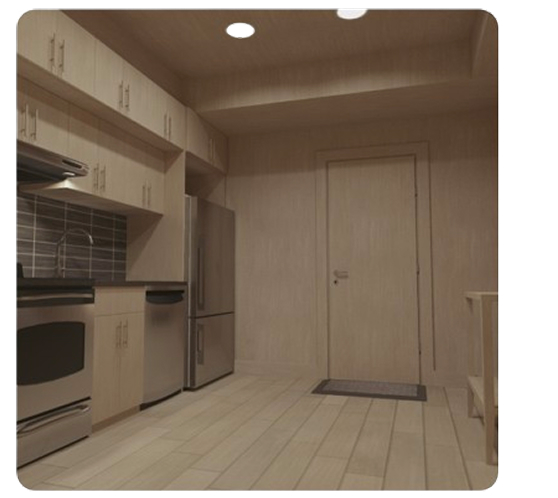
The app leverages AI and LLM models to analyze room photos.
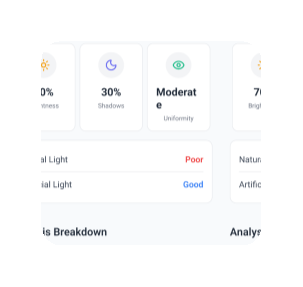
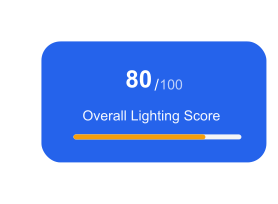
It accurately detects and quantifies the proportion of natural versus artificial light in the environment.
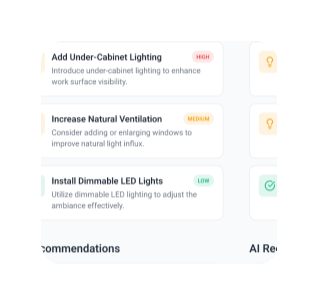
The app then provides actionable insights, such as recommending the optimal number and placement of artificial lights or suggesting window placements to enhance natural lighting.
.svg)
LightSense
Benefits
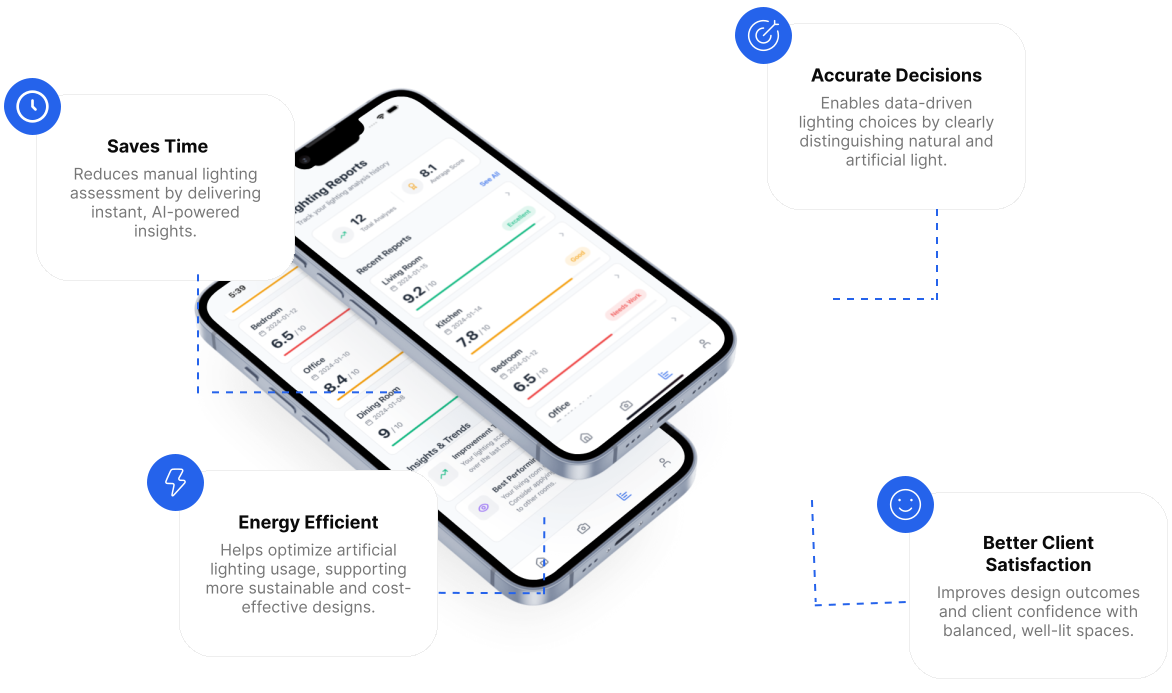
LightSense Benefits
LIGHTSENSE
Challenges
Accurately analyzing lighting conditions from room photos using AI.
Ensuring recommendations are actionable and easy for designers to apply.
LightSenseProject Challenges
Differentiating between natural and artificial light in varied environments.
Designing an intuitive interface that clearly communicates lighting insights.
Balancing technical accuracy with a smooth, user-friendly experience.
LightSense


Outcome
Better outcomes, less effort
Positive feedback from interior designers who used the app, highlighting ease of use and accuracy.
Enhanced lighting designs, leading to more visually appealing and functional spaces.
Increased client satisfaction due to better-informed design decisions.
Time saved in evaluating lighting conditions and planning layouts.
Greater confidence in design choices and reduced need for revisions.

30%
Better Light Accuracy

2x
Faster Design Reviews

95%
Designer Satisfaction